

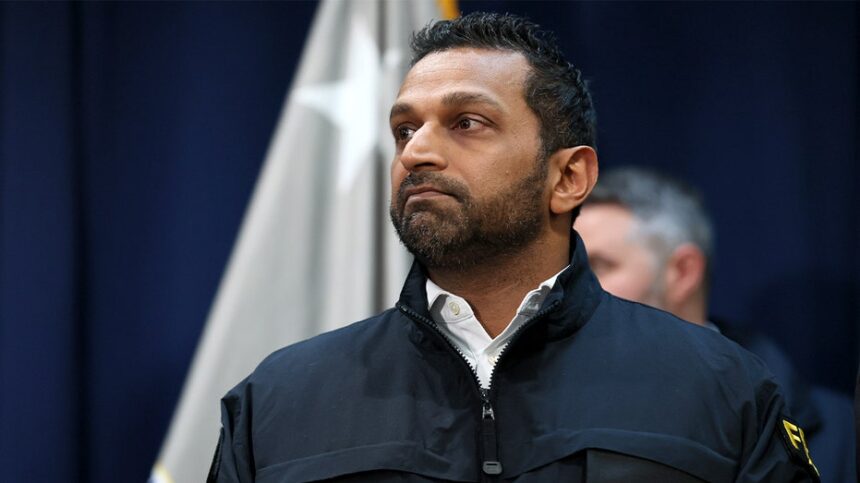
Kash Patels lawsuit against the Atlantic has already backfired, big time.
Had the just put out a statement denouncing the magazines piece on him, the controversy would have vanished in two days.
But by filing the $250-million suit against what he calls a “defamatory hit piece,” he turned it into a top story on , especially MS NOW, with constant coverage all day Monday, most of it unfavorable.
In other words, Patel shined a white-hot spotlight on accusations of excessive drinking and disappearances to a vastly larger audience than would have heard about them. Â
“We will vigorously defend the Atlantic and our journalists against this meritless lawsuit,” a magazine spokeswoman said.
While Patel is free to sue anyone he wants, there are two main reasons this is a seriously bad idea.
As a public figure, he would have to prove that the Atlantic acted with malice â that is, either knowingly publishing something false, or showing reckless disregard for whether or not its true. The Atlantic is a liberal magazine, but has serious reporting chops.
Beyond that, Patel would open himself up to discovery, meaning the defendants could have access to all kinds of emails, texts and documents, some of which surely be unflattering. He could be deposed under oath. He would have the same rights.
The malice question for public figures has been the legal standard since a 1964 ruling. Now I suppose this conservative court could overturn that. But I dont think this lawsuit will even make it to trial.
The Atlantic reporter, Sarah Fitzpatrick, pointed to “more than two dozen people I interviewed about Patels conduct, including current and former FBI officials, staff at law-enforcement and intelligence agencies, hospitality-industry workers, members of Congress, political operatives, lobbyists, and former advisers,” all on an anonymous basis.
Patels suit says that despite his denials, he was given just two hours to respond to the magazines list of questions.
He provided a statement, which the article included, and the denials were repeated by Press Secretary Karoline Leavitt, who said “Director Patel remains a critical player on the administrations law and order team.”
In the article, Patel is described as having a “freak-out” when he couldnt sign on to the internal computer system, telling staff members he had been fired. It turned out to be a glitch.
Among the allegations in the Fitzpatrick piece:
“Several officials told me that Patels drinking has been a recurring source of concern across the government. They said that he is known to drink to the point of obvious intoxicationâ¦Early in his tenure, meetings and briefings had to be rescheduled for later in the day as a result of his alcohol-fueled nights, six current and former officials and others familiar with Patels schedule told me.
“On multiple occasions in the past year, members of his security detail had difficulty waking Patel because he was seemingly intoxicated, according to information supplied to and White House officials.”Â
The Atlantic described Patels drinking as “no secret. While on official travel to Italy in February, he was filmed chugging beer with the U.S. mens Olympic hockey team following their gold-medal victory. The incident prompted the presidentâwho does not drink and whose brother died following a long struggle with alcoholismâto call the FBI director to convey his unhappiness, according to two officials familiar with the call.”Â
Whats more, the piece says, “Patel has led a purge of people who he believes are anti-Trump conspirators or enemies within the FBI. This has included firing people, opening internal investigations, and pressuring agents to quit when they pushed backâor were perceived to have pushed backâagainst Patels


