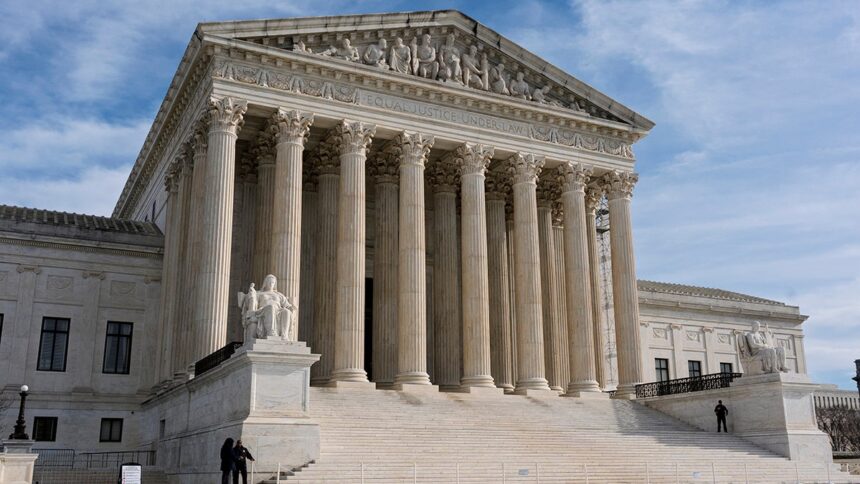
The Supreme Court ended its 2025-2027 term Tuesday and many of its members will soon leave the Beltway for the summer. There are courses to teach, lectures to give and seminars to lead â and perhaps a book to work on as they enjoy their annual break. The justices long ago adjusted their rhythms to the facts of the District of Columbias summer, but this year, they, like many other Americans will also be celebrating our nations 250th birthday.
Robes, gavels and the necessary secrecy aside, the Court is a very human institution peopled by Americans of exceptional accomplishment and dedication. Even when followers of the Court are disappointed or even outraged by this or that decision, the Court continues to outpace the other branches of government when it comes for respect for the institution and its long and steady support for the Constitution.
On three occasions, the Court has left terrible stains on American history. The “anti-cannon” trio of terrible decisions â Dred Scott, Plessy v Ferguson and Korematsu v. United States â have all been reversed, with members of the Court repeatedly expressing shame for their predecessors that penned or signed on to those decisions.
SECRETS OF REVOLUTIONARY WAR BATTLEFIELDS EMERGE 250 YEARS AFTER AMERICA’S FOUNDING
Many people quarrel with this or that decision every time one is issued. Of the seven most controversial decisions rolling out from One First Street, NE at this terms end â decisions dealing with status of appointees atop federal administrative agencies, the tenure of governors of the Federal Reserve, “Temporary Protected Status” of immigrants inside the country and the availability of asylum to immigrants outside of it but at the border, the First Amendment and spending by political parties, state laws prohibiting biological boys participating in girls sports and birthright citizenship â very few approved of the majority in all seven cases. (I did, but thats the scorecard of an outlier in the lists of punditry, the result of having taught Constitutional Law for 30 years to law students at the Fowler School of Law at Chapman University. My perspective is that of an institutionalist who prizes text, history and tradition as well as the much overlooked virtue of common sense.)
The passionate folks who are activists on one or two issues â gun rights, abortion access, religious liberty, who is “an American” are at least entitled to stay in the country â are often the most vocal in the aftermath of a decision they dont like. The results are occasional days of rage on X, periods of anger which too shall pass. What ought to remain as we approach our 250th birthday is an appreciation for the institution that is the embodiment of our commitment to the rule of law.
The Declaration of Independence is, as President-elect Abraham Lincoln put it long ago (borrowing from the Book of Proverbs in the Bible) the “apple or gold” at the heart of our countrys being. Lincoln added âcontinuing to borrow from Proverbs â that the Constitution was the “frame of silver” protecting the Declarations promises of freedom and equality before the law.
Every decision the Court renders ought to be issued to advance