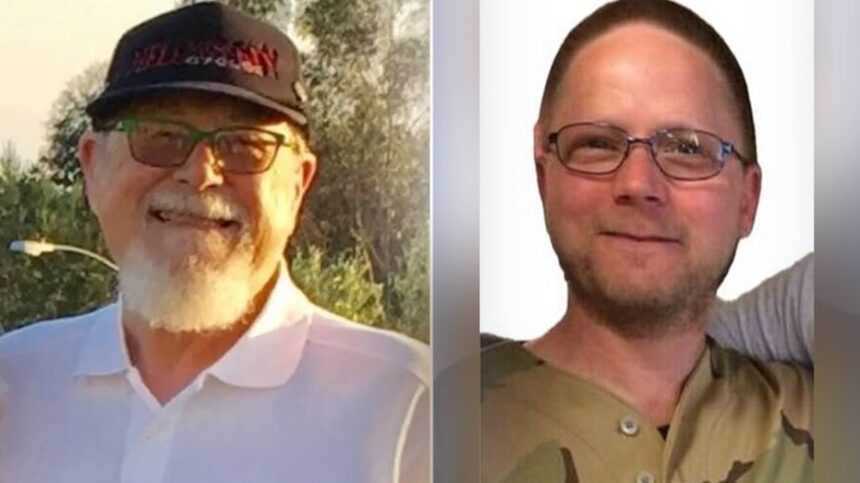
Two men who were shot at the rally where a gunman tried to assassinate Donald Trump are suing the federal government.
alleged in separate but similar lawsuits filed Monday in the Western District of Pennsylvania that the U.S. Secret Service and the Department of Homeland Security (DHS) were grossly negligent in their failure to secure the event premises in Butler, Pennsylvania. The lawsuits specifically cite the AGR Complex roof used by the shooter, Thomas Crooks.
The lawsuits name the United States government as the defendant, and the plaintiffs are joined in the legal action by their wives.
“Congressional investigations also reviewed the USSSs failures on the day of the assassination attempt, including Senate findings which concluded that the USSSs failures directly led to the shooting complained of herein, including, but not limited to, that the USSSs conduct consisted of a “cascade of preventable failures,” the lawsuit states.
Dutch was shot in the abdomen and underwent multiple surgeries. Copenhaver was struck by two bullets in the abdomen and left arm, and fragments remain lodged in his body following the shooting, according to his complaint.
The shooting occurred on July 13, 2024, during a campaign rally at the Butler Farm Show grounds. with a bullet and was killed by a Secret Service sniper seconds after he opened fire from a nearby rooftop.
Corey Comperatore, a former volunteer fire chief who attended the event, was killed while shielding his family.
The lawsuits detail a “cascade of preventable failures” by the Secret Service that allowed the shooting to occur, specifically pointing to the failure to secure the complex roof despite warnings that it was a vulnerability.
“The defendant United States of America, by and through the [Secret Service], committed egregious failures and failed to abide by and adhere to various protocols, policies and procedures which directly and proximately caused the shooting and/or allowed it to occur,” the lawsuits read.
“The assassination attempt on President Trumps life was entirely preventable and was caused, in whole or in part, by the in the days leading up to the event as well as on the day of the assassination attempt,” the complaints continued.
In addition to security failures, the complaints argue that the Secret Service created an environment where critical information could not be shared because it established fragmented, separate command centers rather than a single unified post.
Agents also relied on inadequate communication methods, the lawsuits state, such as using cellphones to pass messages between trailers instead of utilizing centralized radio channels, which “severely impeded” the transmission of safety information.
The legal filings also note that authorities observed Crooks acting erratically, using a range finder, and becoming the subject of a search in the hours leading up to the shooting. The Secret Service has essentially admitted to these failures, the lawsuits argue.
“Indeed, the [Secret Service] has itself acknowledged that its failures included breakdowns in communication, technological issues, and human failure all of which contributed to the shooting, an